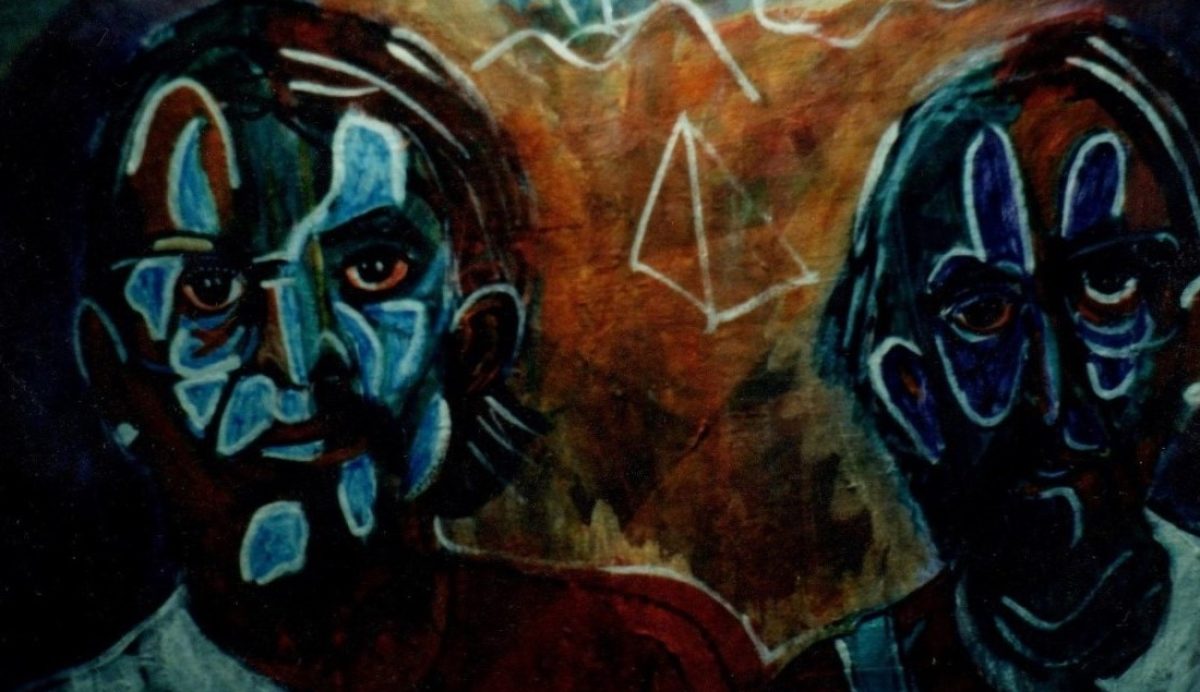
Gabriel García Márquez set ablaze a rage to read among many students of
literature at the University of the West Indies (Mona) in the late 60s -70s.
Currents of shared interests were strong though problematic then between the islands of Jamaica and Cuba; students and scholars (in the Dept of Spanish) immersed themselves in the “kingdoms” of Alejo Carpentier, the Casas de las Americas; and the Latin American giants, Octavio Paz, Mario Vargas Llosa, Carlos Fuentes.
The Márquez brand new world fiction offered points of transition to students in the Dept of English, enhancing our conversations about life and politics; and what we considered the ‘Latin American connection’. By comparison course studies in English Literature felt dreary; they did not offer novels of 500+ pages, or characters still active past 200 years. No heartless grandmothers mothers striking bargains with virginity chips; no vultures pecking, fragrant omens, those vines of erotic hunger in our Caribbean vegetation.
The weird behaviours and sinuations in the Márquez novels captivated us:
the gypsies and butterflies and firing squads; the participatory role of “time”
as unforeseen events unfolded; that general in “The Autumn of The Patriarch”
who “governed as if he felt predestined to never die.”
“One Hundred Years Of Solitude” (1967) was perhaps our first serious encounter (after the arrival of Wilson Harris’ fantastical “Palace of the Peacock”, 1960) with loves and affairs in the soup of the surreal, with colonels and rulers in the rose garden of the “phantasmagorical”.
It should be noted, though: for many young readers in the 60s/70s in George-
town, Guyana, his fiction did not quite match the compelling, dreamlike
imagery in the work (in translation) of Jorge Luis Borges. And for those who
aspired to be writers, García Márquez came close but was not quite the genius considered a literary god hovering over our scribblers’ ambitions: the other Argentine writer, Julio Cortázar.
It remains something of a mystery why in those years of marvellous books we chipped to the grooves in “Hopscotch” (1966) more than we did to “One
Hundred Years of Solitude” ̶ their authorial techniques and preoccupations,
Macondo and Paris, like planets apart.
(Maybe, “burning outward from within”, we too were “looking for the key”, as
Gregorovius put it; our pursuit of “perfect freedom” in those skinny days guided by lumens from the jazz cooled “conversation among amateurs” in Cortázar’s virtuoso novel.)
Still, in the courtyards of the imagination García Márquez ruled; his torrential
word flow released shivers of discovery. And now might be just the right
moment for generations new and old to dust off and get acquainted with his
“magical” interventions for political dysfunction and bloodline alibi in our
faster start run times. A toast, if you like, to the good pre-digital days; to
the ficción that renewed our subscription to real worlds.
My favourites ̶ the shorter pieces in “Strange Pilgrims”, “No One Writes To The Colonel”. Then, books I hadn’t quite got around to, like “Memories of My
Melancholy Whores” (2004), which appeared and surprised many who couldn’t
believe that despite (rumours of) declining health García Márquez was still
writing.
– Wyck Williams
≈ ≈ In mem Gabriel García Márquez (1927 – 2014) ≈ ≈
“Allez, pépère, c’est rien, ça!”
 FARJOURNEY CARIBBEAN